Japanese landscaping in Lindstrom, MN turns a Zone 4 yard into a quiet, four-season retreat, but only if the design leans on stone and structure instead of fragile plants. The style survives Chisago County winters when it's built for -20°F nights and heavy snow load from the start, not retrofitted after the first dead maple. Here's what actually holds up, what to skip, and what it costs to get it right.
Why Japanese-Style Landscaping Works Here
A Japanese garden is a composition, not a collection of decor. Stone, water, plant, and open space work together to create order, and that order doesn't depend on a warm climate to function. In Lindstrom, the same design logic just has to answer to snow load and subzero nights instead of mild Kyoto winters.
The mistake most homeowners make is starting with plants. Start with the bones instead, the stone, the grading, the paths, and let the plant palette fill in around a structure that already works in January.
What Zone 4a/4b Actually Rules In and Out
Lindstrom sits in a cold USDA hardiness zone that rules out most of the plants people picture in a traditional Japanese garden. Chisago County falls into USDA Hardiness Zones 4a and 4b , which means winter lows regularly bottom out well below zero. True camellias, tender Japanese maple cultivars, and most ornamental bamboo simply won't survive outdoors here.
That doesn't kill the concept. It changes the plant list and shifts more visual weight onto hardscape. Before finalizing any plan, check the USDA Plant Hardiness Zone Map for your exact address, since microclimates on a single lot can shift a half-zone in either direction.
Three Types of Japanese Rock Gardens
Most residential builds fall into one of three categories:
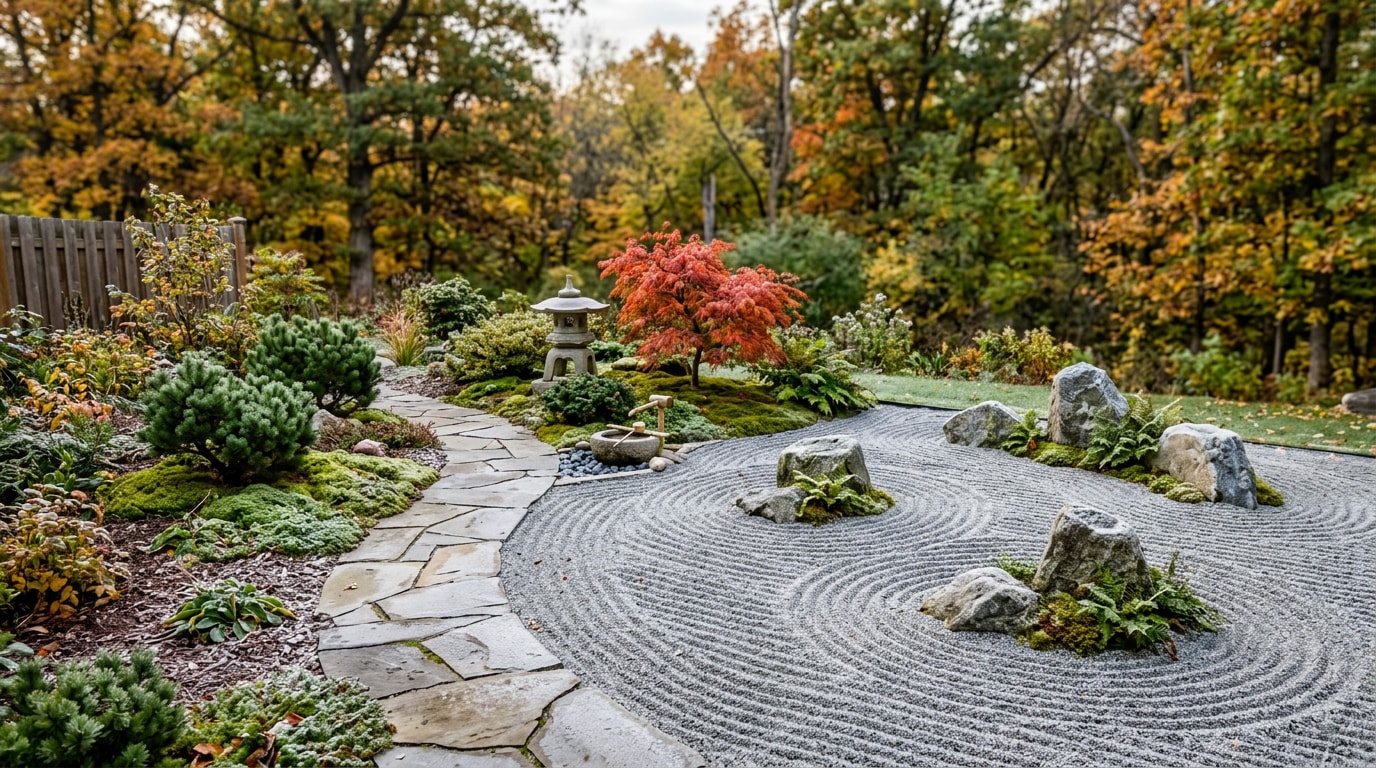
- Karesansui (dry/Zen gardens): Raked gravel and placed stones represent water and mountains. Low maintenance, mostly raking and occasional weeding.
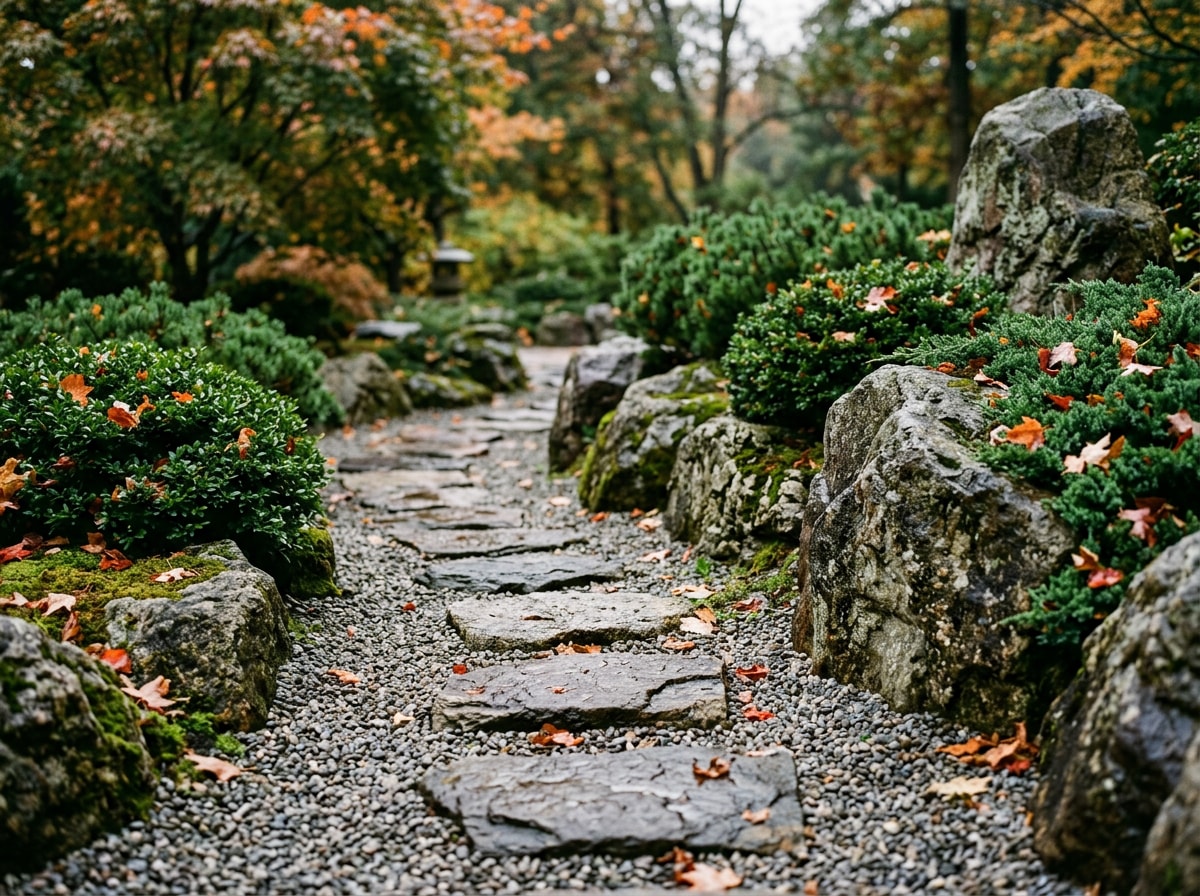
- Natural rock gardens: Boulders and low plantings mimic a mountain foothill. Looks unplanned but every stone is placed deliberately.
- Rock garden landscapes: A blend of hardscape and living plants for a softer, less austere look.
A karesansui layout is the most forgiving option for a Minnesota yard since it depends almost entirely on stone, which doesn't care about frost heave the way a shallow-rooted shrub does.
Cold-Hardy Plants That Keep the Look
This is where most generic "Japanese garden" guides fall apart, because they're written for Zone 6 or warmer. Here's what actually survives in Chisago County, based on plant lists used in real Minnesota installations rather than aspirational catalog photos.
| Plant | Hardiness Zone | Role in the Garden |
|---|---|---|
| Japanese white pine (Pinus parviflora) | 4–7 |
A medium to large tree native to Japan, hardy in zones 4 to 7, producing showy fruit and tolerating drought, high pH soils and road salts
| Japanese tree lilac (Syringa reticulata) | Hardy to MN |
Listed among woody plants suited to Minnesota's cold hardy zones
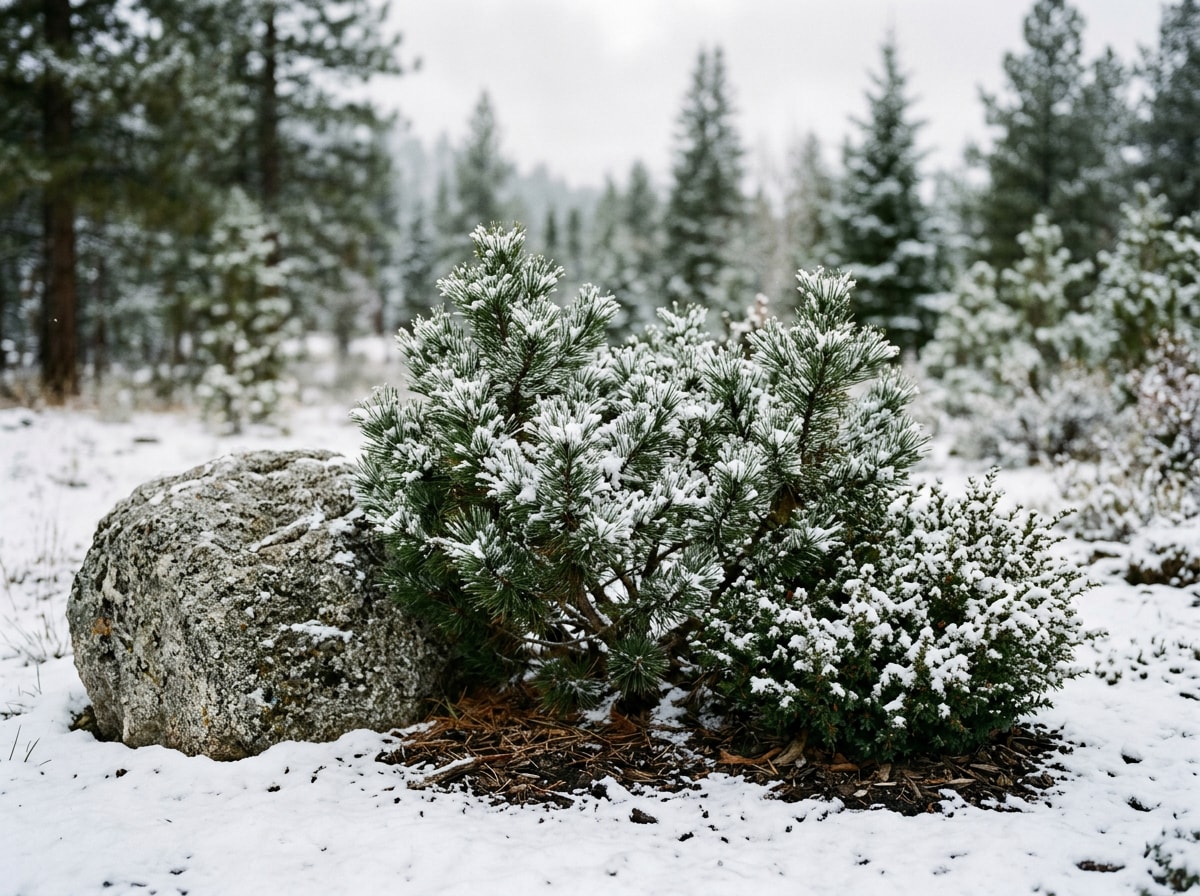
| Dwarf mountain pine (Pinus mugo) | 2–7 | Low, rounded form used for structure near stone groupings |
| Jack Frost® hybrid maple (Acer 'IslID') | 4 |
Used in the University of Minnesota Landscape Arboretum's Japanese Garden plant list
| as a hardy maple-look substitute | |
|---|---|
| Pagoda dogwood (Cornus alternifolia) | 3–7 |
Also part of the Arboretum's Japanese Garden plantings
| , used for layered horizontal branching | ||
|---|---|---|
| Yew (Taxus × media) | 4–7 | Evergreen structure, shearable for a cloud-pruned effect |
For evergreen structure specifically, cold hardiness zones 3 and 4, and some zone 5, are workable for most northern-climate evergreen choices in Minnesota , which keeps the design green through winter when deciduous elements go bare.
A good reference point: the Normandale Community College Japanese Garden in Bloomington. More than 300 plants, shrubs, and trees have been carefully selected to grow in Minnesota's harsh climate, chosen by the architect and gardeners specifically because they can survive extremely cold temperatures. That's the same substitution logic a Lindstrom yard needs, just on a smaller scale.
Classic Features That Translate to a Minnesota Lot
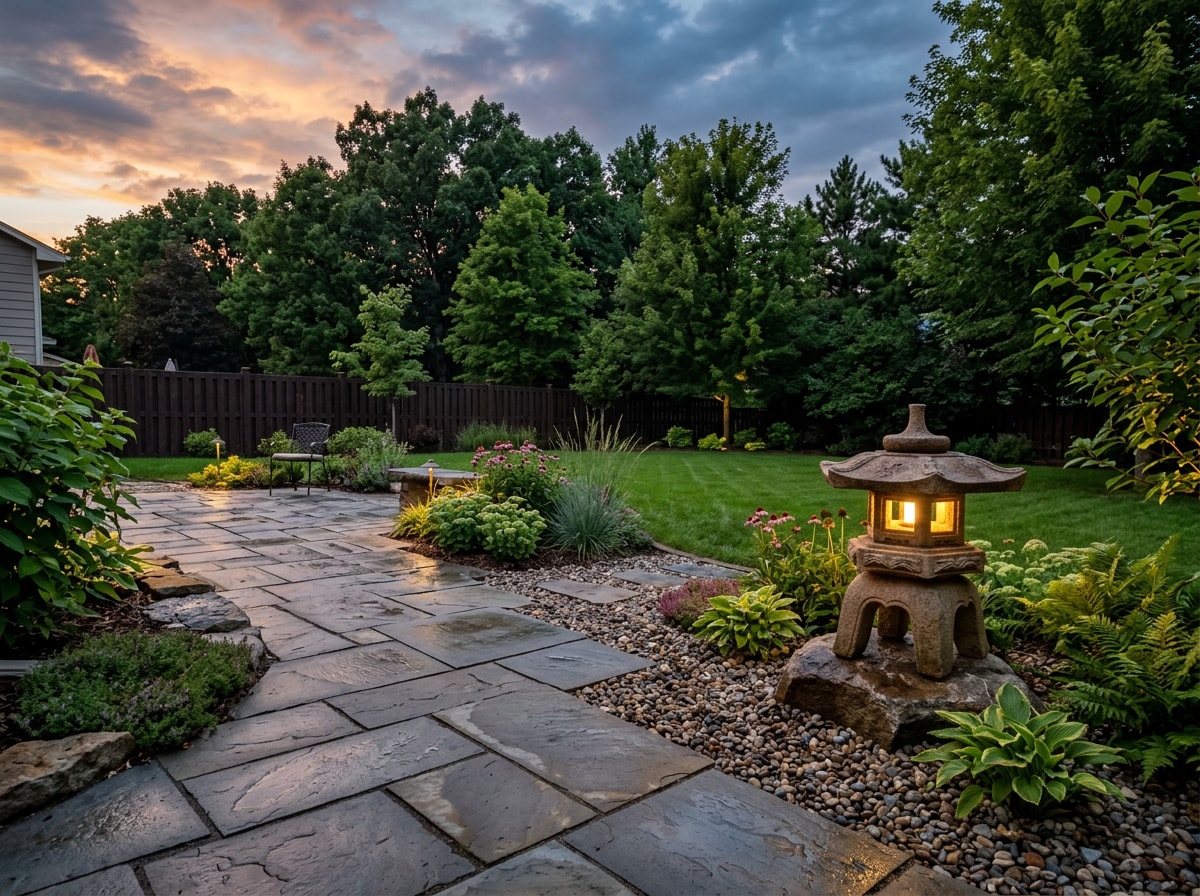
A residential build usually layers a few of these together rather than cramming in all of them:
- Raked gravel or sand beds
- Placed boulders and stepping stones
- A winding path that slows visitors down instead of a straight sidewalk
- A stone lantern as a focal point
- A water feature, either a small pondless installation or a traditional shishi-odoshi
If a water element is on the list, a pondless water feature handles the sound and movement of a traditional garden without the winterizing headaches of an open pond in a zone this cold. Pair it with solid water feature design work up front and it won't need major rework once freeze-thaw cycles start testing the plumbing.
Stonework is where a Japanese-style yard lives or dies in this climate. A retaining wall installation sets the terracing and keeps gravel beds from washing out every spring, while concrete edging keeps a karesansui bed from bleeding into the lawn.
Where to Invest First: Hardscape Over Plantings
Here's the part most design guides skip. In a Zone 4a/4b yard, plants are the part of the garden most likely to fail, and stone is the part least likely to. On the projects we've built out across Chisago and Washington County, the gardens that still look intentional five winters later are the ones where the stone layout, grading, and lantern placement were locked in before a single tree went in the ground. Homeowners who front-load the plant budget and treat hardscape as an afterthought usually end up replacing half the plant list within three seasons and redoing the layout anyway.
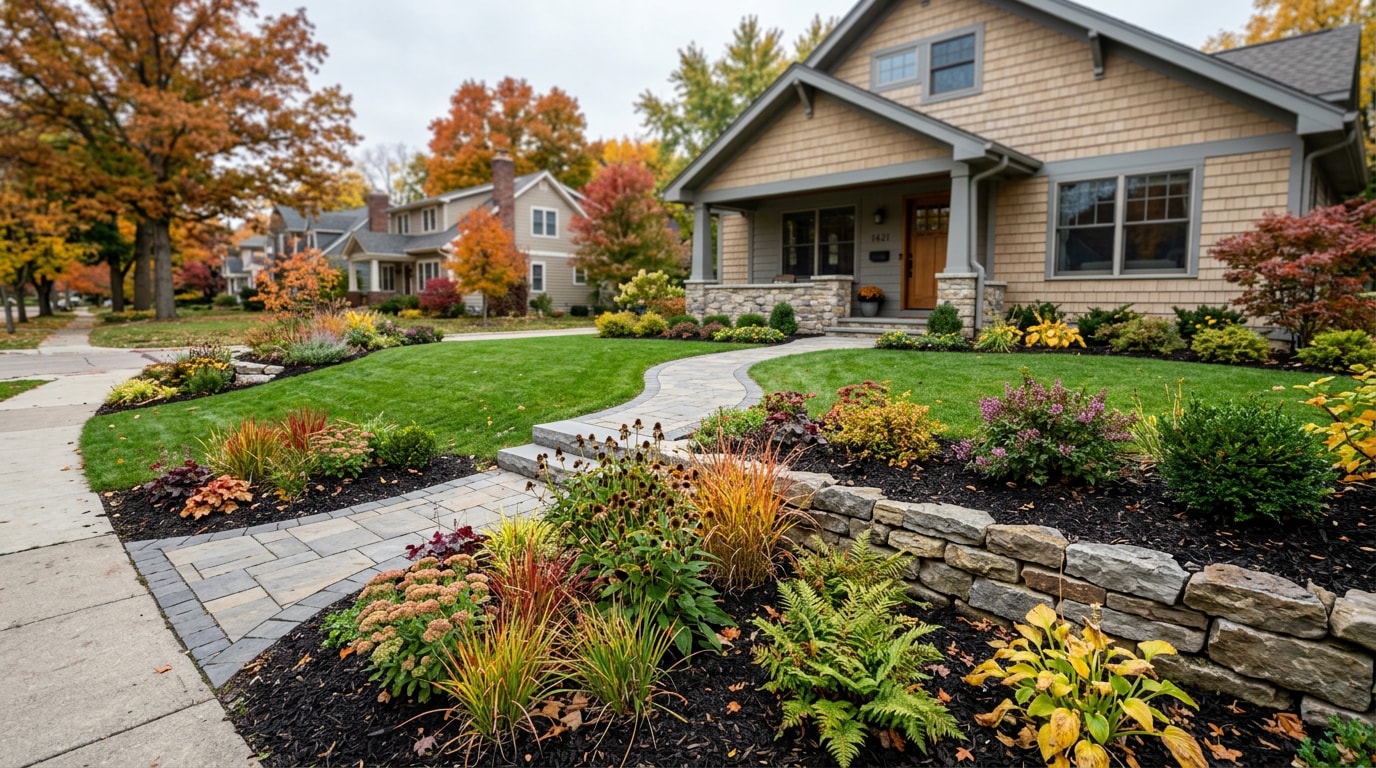
Build the skeleton first: paths, boulders, a lantern, the bones of a water feature if you're adding one. Then layer in plants a season or two at a time, so losses from a brutal winter are a minor tweak instead of a redesign. A landscape renovation and rejuvenation approach works well for homeowners retrofitting an existing yard into this style rather than starting from bare dirt.
Local Japanese Gardens Worth Visiting Before You Design
Seeing these design principles applied in Minnesota soil is worth more than browsing photos of gardens in Kyoto. A few options within driving distance of Lindstrom:
- University of Minnesota Landscape Arboretum, Chanhassen. The Japanese Garden there uses the same cold-climate substitutions covered above.
- Normandale Community College, Bloomington. A 300-plant, Minnesota-hardy installation with koi ponds and a stroll-garden layout.
- Carleton College, Northfield.
Jo Ryo En, a quarter-acre garden known as the "garden of quiet listening," is built in the karesansui, or dry landscape, style and shows how little a dry garden needs to feel complete.
Walking one of these before finalizing a plan makes it much easier to tell a designer what you actually want instead of pointing at a Pinterest board shot in a climate that doesn't match yours. Browsing our projects page is a good next step for seeing how these elements come together on actual Minnesota properties.
What It Costs in Lindstrom, MN
Cost scales almost entirely with scope, not plant exoticism.
| Project Scope | Typical Range | What's Included |
|---|---|---|
| Design plan only |
$700 to $3,000
| Layout, plant list, 2D or 3D drawing |
|---|
| Small karesansui gravel garden |
Starting around $1,500
| Gravel, boulders, edging, minimal planting | ||
|---|---|---|
| Mid-size build with pathway and plantings | $6,000–$15,000 | Stonework, hardy plant installation, lighting |
| Full build with water feature and lanterns | $15,000+ | Pondless water feature, extensive stonework, mature plantings |
These are starting points, not quotes. Lot size, existing grading, and how much hardscape you want all move the number. A free estimate from a local crew gives you a figure based on your actual yard instead of a national average that doesn't account for Minnesota frost depth or soil.
Planning It Out
Japanese-style landscaping works best as one piece of a broader yard plan rather than the whole yard at once. If you're weighing it against other design directions for the property, our guide on landscaping designers near me in Lindstrom, MN walks through how a design consultation actually works and what to expect from the first site visit.
Homeowners in Lindstrom and the rest of Chisago County dealing with an existing yard that needs reworking before a Japanese-style layout makes sense should also look at perennial plantings for filling in around new hardscape once the structural work is done. For the full range of design and build services, visit the Sunrise Lawns & Landscaping LLC homepage or browse the landscaper services category directly.
FAQ
Can you actually have a Japanese garden in a cold climate like Lindstrom's?
Yes. The design principles (balance, restraint, intentional stonework) don't require a warm climate. You just substitute cold-hardy cultivars for traditional Japanese species and lean more heavily on stone and structure than on delicate plantings.
What plants are hardy enough for a Japanese-style garden in Zone 4a/4b?
Japanese white pine, dwarf mountain pine, Japanese tree lilac, hardy maple cultivars like the Jack Frost series, pagoda dogwood, and yew all hold up through Minnesota winters while keeping the aesthetic intact.
Can bamboo survive winters in Lindstrom?
Not reliably. Even cold-hardy bamboo species like Fargesia rufa only survive down to about -15°F in zones 5 to 9 , and Lindstrom routinely sees colder lows than that. Ornamental grasses are a better substitute for the vertical texture bamboo provides.
What's the difference between a Zen garden and a regular Japanese garden?
A Zen garden (karesansui) is a specific dry-landscape style using raked gravel and stone to represent water and mountains, with little or no planting. A broader Japanese garden can include ponds, plants, bridges, and buildings alongside or instead of a dry garden section.
How much does Japanese landscaping cost in Lindstrom, MN?
Design plans typically run $700 to $3,000. A small gravel-and-boulder garden can start around $1,500, while a full build with a water feature, lanterns, and mature plantings often runs $15,000 or more. Exact pricing depends on lot size and scope.
Do I need a permit for a water feature or retaining wall in Lindstrom?
It depends on the size and depth. Retaining walls over a certain height and any feature that alters drainage typically require a permit from the city or county. Check with Lindstrom's building department before digging, and a local contractor can confirm requirements as part of the estimate.
How long does it take to install a Japanese-style garden?
A small karesansui garden can be built in a few days once the design is approved. A full build with water features, stonework, and plantings usually takes several weeks, plus a planting window tied to Minnesota's spring or fall planting seasons.
Ready to see what this looks like on your own property? Get a free estimate and we'll walk your yard, talk through zone-appropriate plant and stone options, and give you a scope-based number instead of a guess.